
Security audits and penetration tests: find the flaws before others do.
Web apps, infrastructure and code, tested against OWASP Top 10 and ASVS. You get the priorities in order of impact, and if you want, we close them.
«Antonio ed il suo team mi hanno aiutato su un progetto per la sicurezza informatica di un sito: sono dei professionisti e sono riusciti a trovare e sistemare i punti critici!»
Sound familiar?
And what you're risking, every day, by staying this way.
You handle client data, but nobody has ever tested the system's security.
If someone gets in, you may hear it from a customer first. And with personal data involved, you have 72 hours to notify the data protection authority.
You've inherited an application and don't know how solid it is.
Whoever wrote it left their flaws behind, and now they're yours. You find out when someone exploits them, not before.
You need a security check before a launch, or for a client.
Without a report, when the client asks “is it secure?” all you can say is “we hope so”. And a flaw found after launch gets closed with users already inside.
What we do
Penetration testing
We simulate real attacks, within a written scope, to see what an attacker could really do.
Security code review
We read the code looking for errors and insecure patterns: authentication, permissions, credential handling.
Also
Vulnerability assessment
Known vulnerabilities, one by one.
Hardening
Servers, services and configuration.
Access and secrets
Who gets in where, and with which keys.
Remediation
Flaws closed, not just reported.
What we've found
17 security problems fixed, including an admin who could create an account with more power than their own.
Finanzamille Inc.
Found across two independent reviews of the platform's code.
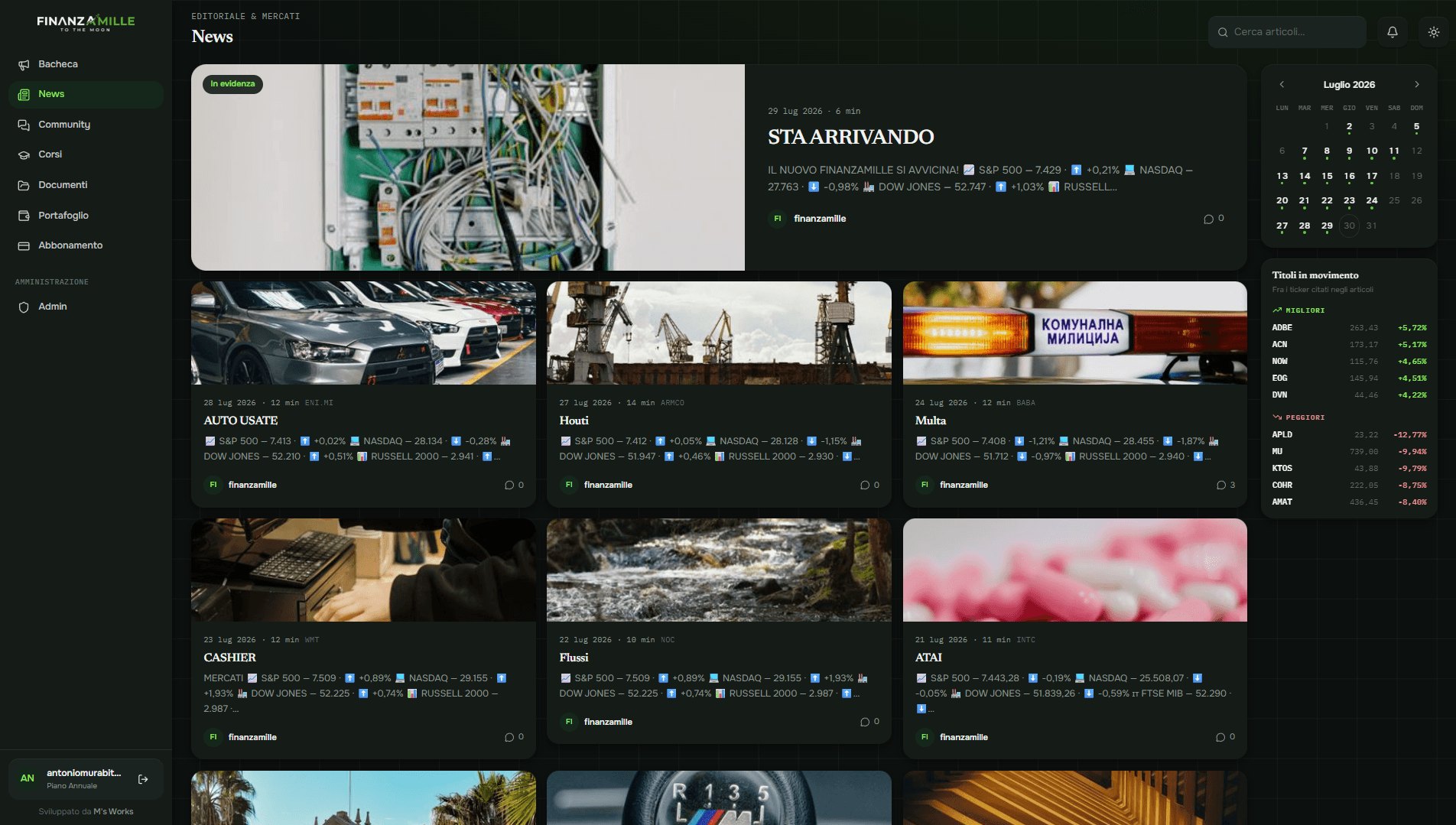
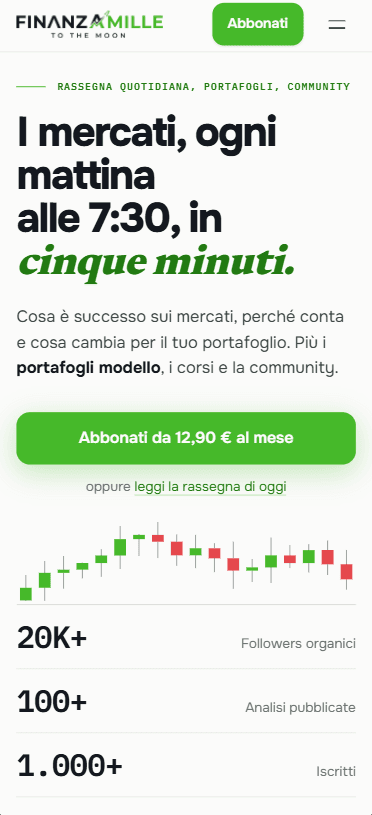
A subscription platform, rebuilt on infrastructure they own
Finanzamille Inc. · Rancho Palos Verdes, CA
Case study →Why not a scanner, or the people who wrote the code?
They're fair choices, and sometimes they're enough: a scanner for known vulnerabilities is a good start. Here's what changes.
| What matters | Automated scanner | Whoever wrote the code | M's Works |
|---|---|---|---|
| What it finds | Known vulnerabilities, quickly. | What they know to look for. | Logic errors too, like permissions and roles. |
| What you get | A list of alerts to interpret. | Often the fixes, with no report. | A report with priorities ordered by business impact. |
| Who closes the flaws | Nobody: it stops at the alert. | They do, and they know the code best. | We do, if you want, or we support your team while they do. |
| An outside view | Yes, but with no idea what the software does. | No: they're checking their own work. | Yes, from people who write code for a living. |
What it finds
M's Works: Logic errors too, like permissions and roles.
Automated scanner: Known vulnerabilities, quickly.
Whoever wrote the code: What they know to look for.
What you get
M's Works: A report with priorities ordered by business impact.
Automated scanner: A list of alerts to interpret.
Whoever wrote the code: Often the fixes, with no report.
Who closes the flaws
M's Works: We do, if you want, or we support your team while they do.
Automated scanner: Nobody: it stops at the alert.
Whoever wrote the code: They do, and they know the code best.
An outside view
M's Works: Yes, from people who write code for a living.
Automated scanner: Yes, but with no idea what the software does.
Whoever wrote the code: No: they're checking their own work.
The first step is a free call.
Tell us which systems you want checked. On the call we work out what to test and how far, then we put the scope in writing: only on systems you have the authority to let us test.
- A reply within 24 hours.
- A free first call, and the test scope agreed in writing.
- Testing and code review against OWASP Top 10 and ASVS.
- A report with risks and priorities ordered by business impact.
- If you then give us the work, the audit isn't billed separately.
The first call and the preliminary check are always free. The full audit has a cost, which you only pay if you don't go ahead or give the work to someone else.
- 01ScopeWhat to analyse and the limits of the test, agreed in writing.
- 02AnalysisAssessment, testing and review to find the vulnerabilities.
- 03ReportRisks and priorities in order of business impact.
- 04RemediationWe close the flaws, or support you while you do.
you handle client data or you're about to launch, and you want to know where you can be attacked before someone else finds out.
you want a system tested that isn't yours, or that you aren't authorised to have tested. We don't start there, for any reason.
Before starting, people ask us
“Isn't a scanner enough?”
A scanner gives alarms. We give a report with priorities in order of business impact.
Among the problems found on Finanzamille was an admin who could create an account with more power than their own. That's a logic error: it isn't on any list of known vulnerabilities.
The case study →“And who closes the flaws?”
We do, if you want: we're developers and we fix what we find.
On Finanzamille, the 17 security problems found across the two reviews were fixed in the same code.
The case study →“How far do you go?”
As far as the written scope says, only on systems you're authorised to have us test.
What people ask us
Only systems you're authorised to have us test, within a scope agreed in writing. It's non-negotiable, for you and for us.
OWASP Top 10 and ASVS for web apps; known vulnerabilities and exposed configurations for infrastructure.
Yes, if you want: we're developers and we close what we find, or we support your team while they do.
How secure is your system, really?
Request a security audit: we identify the vulnerabilities and hand you a concrete action plan.